The Persistent Puzzles Surrounding 9/11

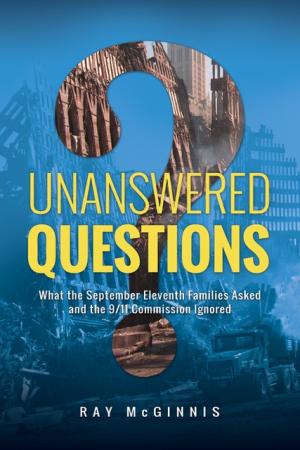
The events of September 11, 2001, continue to evoke deep emotions and endless queries. Despite numerous inquiries and reports, there are still unanswered questions from 9/11 that foster debate and investigative scrutiny. These lingering queries often touch on the intricacies of the attacks, the alleged intelligence failures, and the structural collapse of the World Trade Center buildings.
Revisiting the Evocative Content by Louder Than Words
In an effort to give voice to alternative perspectives and theories, productions such as the one by Louder Than Words have provided an hour long smorgasbord of content. This content delves into the controversial discussions surrounding the events of 9/11, often highlighting disparities between official narratives and emerging counter-narratives.
Pillars of New York: Building the World Trade Center
The construction of the World Trade Center in 1983, symbolizing ambition and progress, has a retrospective significance after the towers' tragic collapse. Discourse around the Building the World Trade Center includes scrutiny over the structural integrity and design elements that may have contributed to the collapse, igniting engineering debates and alternative hypotheses.
Assessing President Bush's Strategy in the Wake of Tragedy
Former President George W. Bush's actions and decisions immediately following the attacks shaped the United States' subsequent foreign and domestic policies. Scholars and commentators alike continue to assess and question Bush's response to 9/11, focusing on the interplay between policy-making and public sentiment during a period of national crisis.
The Role of Documentaries and Films in the 9/11 Narrative
Documentaries and films have played a pivotal role in shaping public perception and shedding light on less explored aspects of 9/11.
Confronting the Evidence: A Critical Examination
In Confronting the Evidence, uncomfortable questions are posed, encouraging viewers to re-examine the events with a critical eye. These questions resonate with those who demand accountability and transparency from the authorities responsible for ensuring national security.
The Emotional Journey in Everybody's Gotta Learn Sometime

The film Everybody's Gotta Learn Sometime highlights not only the aftermath of the attacks but also the human element, emphasizing the loss and the national mourning process. It challenges audiences to reflect on the emotional impact and the deeper implications for society.
Challenging Perspectives in Face the Facts
Similarly, Face the Facts presents a formidable challenge to the conventional 9/11 narrative, compelling viewers to consider alternate viewpoints and question the evidence or lack thereof presented in official reports.
Fahrenheit 9/11 and The Great Deception: Cultural Impact
Michael Moore's Fahrenheit 9/11 (2004) and The Great Deception have had significant cultural impacts, provoking discourse on government accountability and influencing public opinion. These films exemplify how the creative arts can foster critical dialogue on matters of substantial public significance.
The Influence of 9/11 on the Travel Experience
As a nexus of policy, memory, and speculation, 9/11 has indelibly influenced the travel experience. Not only did it reshape airport security and the way we navigate air travel, but it also transformed destinations like Ground Zero into places of pilgrimage. The desire to understand and personally connect with the historical events of that day continues to draw individuals from around the world to New York City, signifying a universal quest for understanding and remembrance. The need to not only travel but to journey through history is a reminder of how interconnected our global society has become.