The Unending Quest for 9/11 Truths

September 11, 2001, remains etched in the global consciousness as a day of tragedy and terror. Almost two decades later, the echo of collapsing towers and the political aftermath continue to reverberate through our lives. Questions persist about the events leading up to, during, and following that fateful day. The truth behind September 11 has been the subject of much debate, with official explanations and alternative theories both attracting fervent supporters.
Deconstructing the Twin Towers' Collapse
The fall of the Twin Towers was broadcast to a horrified international audience. As the dust settled, questions arose about the mechanics of the collapse and the structural vulnerabilities of these iconic buildings. Investigations have since been conducted by experts trying to piece together the catastrophic failure, leading to extensive reports. Yet, this has not stopped alternative theories from circulating, suggesting everything from controlled demolitions to sinister cover-ups.
A Tale of Tragedy: Who Was John O'Neill?

Among the many personal tragedies of September 11 was the death of John O'Neill, a former FBI agent who had become the head of security at the World Trade Center. His demise has been surrounded by speculation, with some theorists proposing that his past made him a target. O'Neill was a complex figure who had been deeply involved in investigating al-Qaeda, and his untimely death has only fueled the fires of conspiracy.
Exploring the Influence of 9/11 on Culture
The 'Masters of Terror' and the Narrative of Fear
The aftermath of 9/11 gave birth to cultural and political discourses centered around themes of terrorism and security. The 'Masters of Terror' narrative dominated, casting a shadow over civil liberties and foreign policy. This portrayal of an omnipresent threat has been depicted in various forms of media, often challenging the public perception of the events and their protagonists.
Beyond the Shadows: The 'Matrix of Evil'
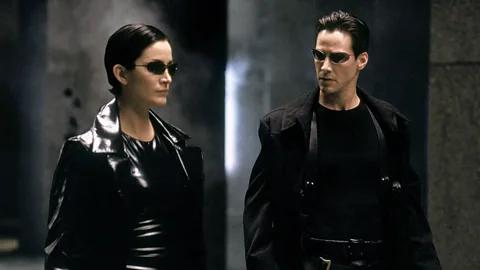
Some commentators have coined the term 'Matrix of Evil' to describe the interlocking network of political and corporate interests that seem to have influenced the post-9/11 landscape. While the term may sound like the plot of a dystopian novel, it's been used to critically assess the reality of power structures and their role in shaping national and international policies.
The 'Mind the Gap' and 'Power of Nightmares' Documentary Series
Amid the various voices contributing to the 9/11 discourse, documentary series like 'Mind the Gap' and 'Power of Nightmares' have probed deeper into the political, economic, and psychological gaps that the attacks either revealed or exacerbated. These documentaries scrutinize how a politics of fear was arguably used to justify actions that have since been contested and debated across the globe.
Traveling in the Aftermath: A Changed World
In the years that followed September 11, our notion of travel – and indeed the world itself – transformed dramatically. Enhanced security measures became the norm, and our sense of freedom and adventure has been tinged with caution. Yet, travel continues to be a vital way of connecting with others and understanding the broader context of events that shape our history. As we traverse the globe, each destination offers a unique perspective on the common threads that bind us in search of the truth that never ceases to tow us to new shores—for knowledge, for understanding, and for the memories of those we lost in the hope of a more peaceful world.