
The tragic events of September 11, 2001, have spurred a myriad of investigative documentaries and videos seeking to understand every aspect of the day that changed the world. Among the many narratives is a moment captured by controversy: Larry Silverstein’s infamous phrase concerning World Trade Center Building 7 (WTC 7) – "We decided to pull it."
The Significance of Larry Silverstein's Statement
Larry Silverstein, the leaseholder of the World Trade Center complex at the time of the attacks, made a statement in a documentary regarding the fate of WTC 7, which collapsed several hours after the Twin Towers. His use of the term "pull it" has become a focal point for conspiracy theorists and skeptics who interpret the phrase as an admission of a controlled demolition.
Breaking Down the Controversy
The interview in which Silverstein made the comment has been dissected endlessly, with different groups drawing various conclusions. Documentaries like "Loose Change" and "Zeitgeist" have used the footage to argue their perspective that the government had a hand in the collapse.
Documentary Evidence and Interpretations
Other documentaries, however, provide additional context to refute conspiracy theories, presenting experts who explain "pull it" as industry jargon for withdrawing firefighters from a structure deemed unsafe. They argue that the decision was made to prevent further loss of life.
Varied Perspectives in 9/11 Documentaries
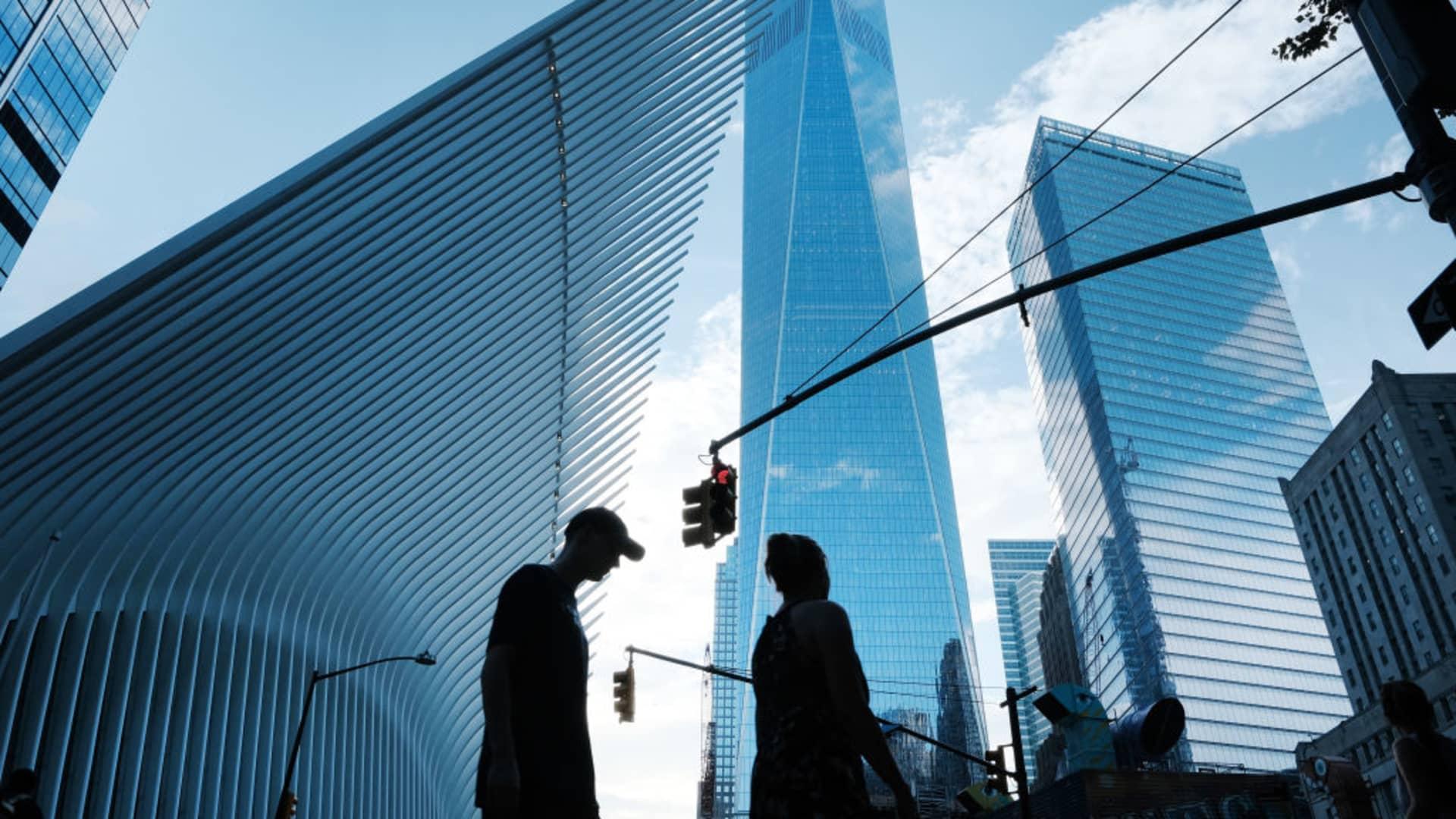
As we continue to revisit the events through documentaries, the juxtaposition of political, architectural, and emotional lenses creates a complex tapestry of narratives, each contributing different facets of understanding to the collective memory of 9/11.
Political Fallouts and the War on Terror
Films such as "Fahrenheit 9/11" delve into the political consequences of the attacks, examining how the tragedy was leveraged to justify the War on Terror, including the subsequent invasion of Iraq.
Architectural and Engineering Insights
Engineering-focused documentaries like "9/11: Explosive Evidence - Experts Speak Out" gather professional insights that aim to clarify or question the structural reasons behind the collapse of WTC buildings, including Building 7.
Dispatches: Iraq: The Reckoning
The ramifications of 9/11 extended far beyond New York, igniting wars with long-lasting impacts. "Dispatches: Iraq: The Reckoning" takes a somber look at the aftermath of the Iraq war. This investigative report grapples with the harsh reality of a war-ravaged Iraq, unearthing the sobering truth of ambitious Western intervention policies gone awry.
On Location Reporting and Expert Analyses
Including on-the-ground perspectives from US troops in Sadr City and featuring interviews with key British and US figures, the documentary echoes the disillusionment that has prevailed in the years following the invasion.
The Unintended Consequences
"Dispatches: Iraq: The Reckoning" presents a narrative that questions the initial idealistic visions of a unified, democratic Middle East, highlighting the disconnection between coalition forces and the Iraqi people's future.
Exploring the Narrative Intersection of 9/11 and Travel
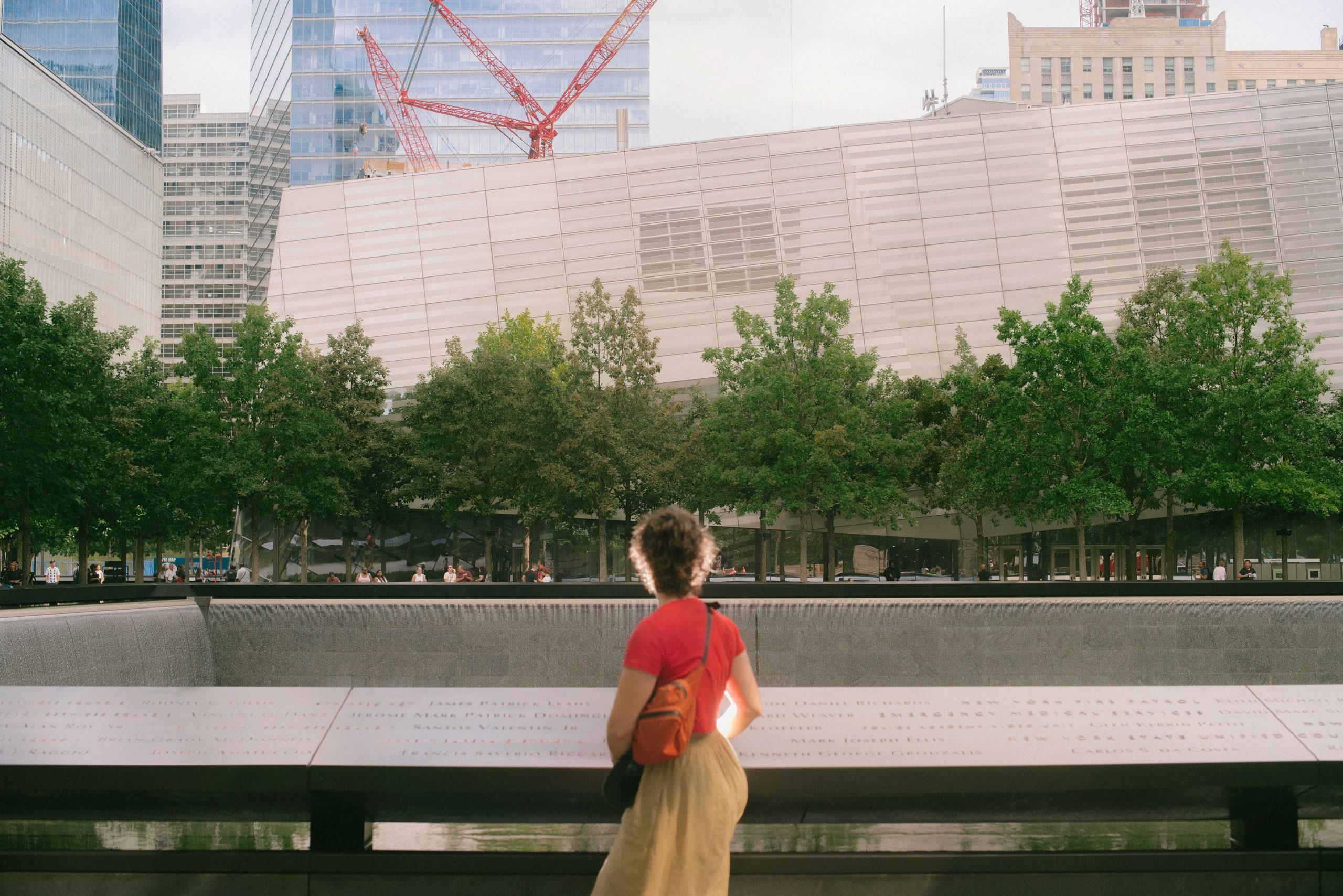
While travel is often associated with leisure and discovery, there is also a somber form of journeying – one that engages with the histories and legacies of events like 9/11. In visiting sites such as Ground Zero, travelers partake in a pilgrimage of remembrance, paying respects and seeking deeper understanding of the collective experience shared that fateful day.
Documentaries and travel share a common purpose: they transport us to different realities and perspectives. As with the post-9/11 world, they challenge us to confront our understanding of global events, political landscapes, and the narratives that inform our present-day world.
Melbourne
Las Vegas
Gouvia
Sydney
Perth
Cancun
Amsterdam
Sorrento
Grange-over-Sands
Split
Paris
Imperial Beach
Kapolei
Boston
Fort Walton Beach
Punta Mita
Fairbanks
St. John's
Ottawa
Adelaide
Darwin
Aberdeen
Barrie
Laval
Edmonton
Bukovel
Newport Beach
Scottsdale
Ontario
Istanbul
Vienna
Prague
Rome
London
- شبربوش لندن
- Central London Hotels With Family Rooms
- Boutique Hotels London Deals
- Top 5 Star Hotels London
- Dog Friendly Hotels London Uk