The Landscape of Fear: Understanding the Power of Nightmares

Political narratives have a profound influence on public perception, and few have been as impactful as the climate of fear that enveloped the world after the events of September 2001. The Power of Nightmares: The Rise of the Politics of Fear, a penetrating documentary series, dissected the trajectory of how fear has been used as a political tool in the wake of 9/11. Across its segments, it demonstrated that the War on Terror was not only a response to global threats but also a narrative propagated to pursue broader political agendas.
Part Two: The Emergence of New Political Tactics
In the second installment of the series, viewers are presented with an in-depth exploration of the mechanisms by which fear can be leveraged to shape policy and public opinion. This segment paints a stark picture of the lengths governments may go to maintain power and control under the guise of national security.
Part Three: The Sustained Politics of Fear
The concluding part of the series delves into the ongoing implications of policy decisions made during the highest peaks of public fear, showcasing the long-term impacts on society and international relations.
Connecting the Dots: From Baghdad to 9/11
In the wake of the U.S.-led Iraq invasion, a documentary titled Things Related and Not: From Baghdad to 9/11 sought to connect the dots between the 2003 Iraq War and the broader context of terrorism and fear politics that escalated after the fall of the Twin Towers. The film scrutinizes the narratives used to justify military action and sheds light on the far-reaching consequences of preemptive warfare.
At What Cost? Challenging Our Civil Liberties

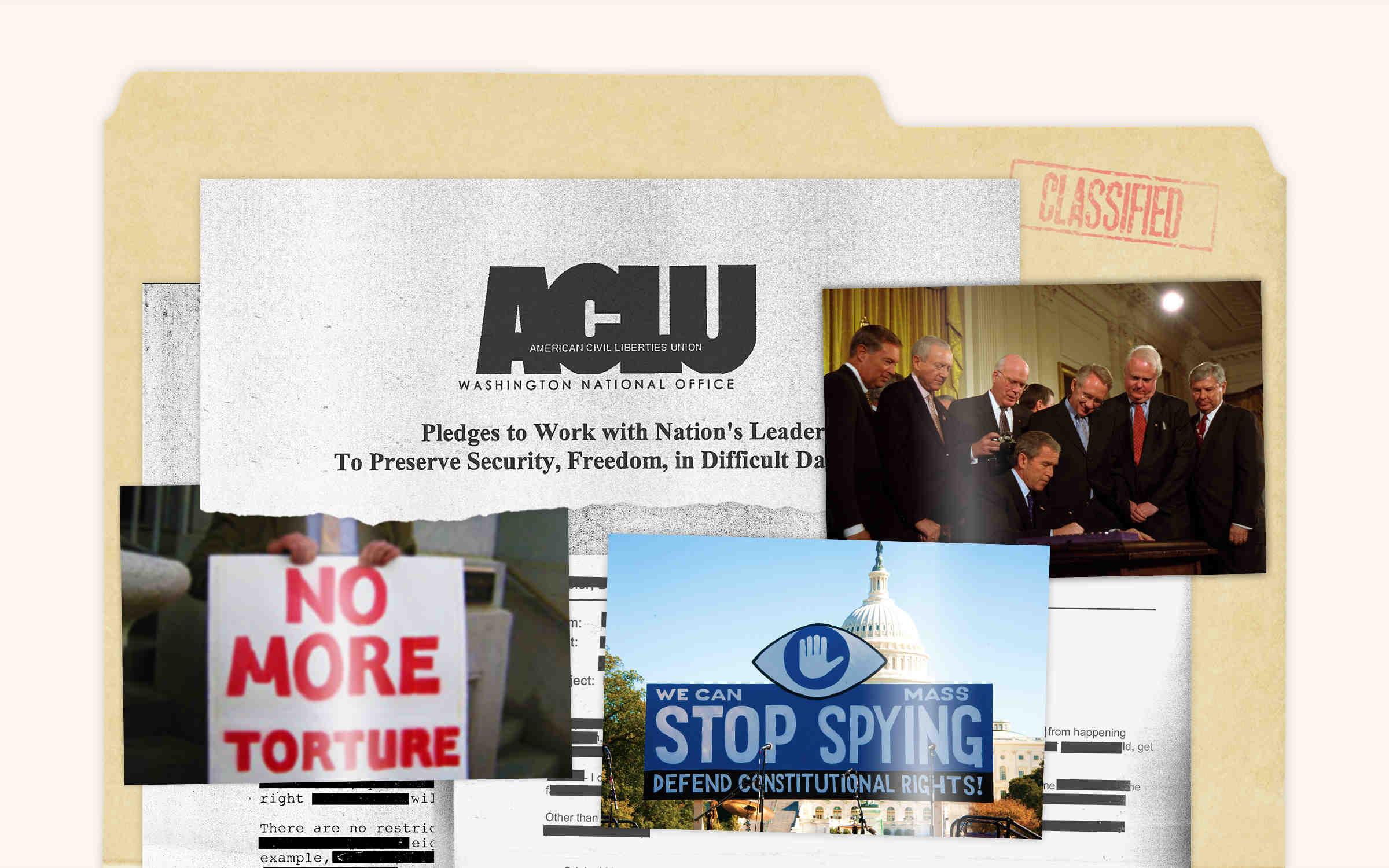
The documentary Unconstitutional: The War on Our Civil Liberties takes a critical look at the other casualty of the War on Terror: the erosion of civil rights within the United States. By piecing together the harrowing experiences of detained individuals and scrutinizing legislation such as the Patriot Act, the film argues that the government’s counter-terrorism measures often overstepped constitutional boundaries, compromising the very freedoms it vowed to protect.
The Hidden Truths Behind the Iraq Conflict
In Uncovered: The Whole Truth About the Iraq War, compelling interviews and expert testimonies weave together a narrative that suggests the Iraq War was a conflict marred by deception and misinformation. The film provides a rigorous examination of the intelligence—or lack thereof—that prompted the push for military intervention in Iraq, revealing a truth at odds with the official justifications of the time.
Rethinking the Post-9/11 Political Orthodoxy
Among the intellectual responses to 9/11 and its aftermath were the 9/11 Lectures & Conferences, including discussions on the Neo-Con Agenda by American scholars. These forums provided space for critical analysis and debate on the emerging neo-conservative strategies in U.S. foreign policy, offering alternative perspectives on the prevailing politics of fear.
Travel in the Context of a Post-9/11 World
In today’s world, the legacy of 9/11 and its subsequent political developments have altered the way we traverse the globe. The tightening of airport security, the introduction of extensive screening processes, and a heightened general vigilance all reflect the enduring impact of the politics of fear on travel. Despite this, the desire for cross-cultural understanding and shared experiences continues to inspire millions to explore the world, proving that the human spirit is not easily cowed by the specters of fear. Navigating this new landscape, travelers adapt and persevere, embodying resilience and the pursuit of connection in an ever-changing world.